Health and Safety Policy for House Clearance East Ham
This policy sets out the commitments and procedures adopted by our rubbish removal and house clearance teams to protect staff, customers, contractors and the public. It applies to all operations related to house clearances, waste removal, rubbish collection and property clearance work in the service area. The objective is to ensure work is carried out safely, legally and professionally while minimising environmental impact and protecting the welfare of everyone involved. Compliance with statutory requirements and good industry practice is central to this document.Scope and Purpose
The policy covers planning, site assessment, manual handling, vehicle loading and off-loading, segregation of materials, management of bulky waste and secure transportation. It also includes provisions for hazardous items encountered during clearances, contractor management, and safe disposal routes. The intent is to deliver a clear framework so that every house clearance or waste removal activity is risk-assessed and supervised, with an emphasis on preventing injury and avoiding property damage. All staff and contractors must recognise their roles and responsibilities for health and safety during East Ham house clearance tasks. Those undertaking rubbish removal and property clearance duties will follow safe working methods, wear appropriate personal protective equipment, and report hazards promptly. Supervisors will ensure that risk assessments are current, that safe systems of work are implemented, and that emergency procedures are understood. Failure to adhere to this policy may result in disciplinary action or suspension of duties.
Before any house clearance or rubbish company operation begins a documented risk assessment must be completed. Assessments will identify potential hazards such as sharp objects, asbestos-containing materials, biological wastes, sharps, electrical risks, structural instability, vermin or chemical products. Control measures will be recorded and communicated. A typical risk assessment will include:
- Identification of hazards and persons at risk
- Evaluation of risk and required control measures
- Selection of PPE and tools for safe removal
- Arrangements for segregation and lawful disposal of waste
Training, Competence and Supervision
All personnel engaged in house clearances and rubbish removal must be given role-appropriate training. This includes manual handling training, safe lifting techniques, use of protective equipment, awareness of hazardous materials, and instruction on the correct segregation of recyclables, general waste and hazardous items. Records of training will be maintained and reviewed. Supervisors are responsible for ensuring teams are competent and that on-site supervision is provided for higher-risk tasks.Equipment and vehicles used by the clearance company must be maintained in safe working order. Pre-use checks for implements such as trolleys, sack trucks, straps and lifting aids are mandatory. Vehicles used for waste removal will be loaded and secured to prevent shifting during transit, and drivers must follow road safety regulations and vehicle weight limits. All lifting and handling tasks should use mechanical aids where practicable to reduce manual handling injuries.
Hazardous Waste and Special Items
When encountering hazardous substances or specialist items during clearance, work must stop and a supervisor consulted. Items such as asbestos, solvents, batteries, medical waste, electrical goods, gas bottles, and paint require specific handling and authorised disposal routes. The company will work with licensed waste carriers and permitted facilities to ensure compliance. Do not attempt to remove suspected hazardous materials without appropriate training and controls. Incident reporting and first aid arrangements are integral to safe operations. All incidents, near misses and injuries must be recorded and investigated to prevent recurrence. First aid kits will be available on site and personnel trained in first aid will be identified. Emergency contact procedures and access for emergency services should be maintained during clearances. The organisation will monitor safety performance through regular audits and toolbox talks, and will implement corrective actions when needed.
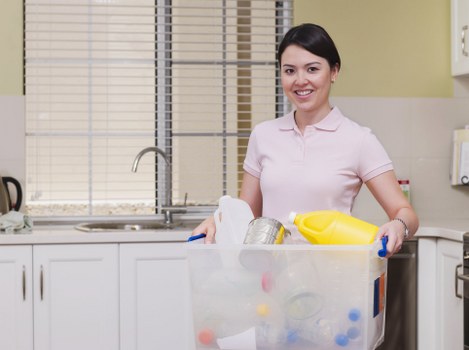 Policy review and continuous improvement: this Health and Safety Policy for house clearances and waste removal operations will be reviewed at least annually or when there are significant changes to work activities, legislation or after a serious incident. Management will set measurable safety objectives and monitor progress. Employees are encouraged to contribute suggestions for improving safety and environmental performance. Strong leadership and active participation from everyone ensure safe, lawful and efficient house clearance services across the service area.
Responsibilities summary: Managers must provide resources, training and oversight; supervisors must ensure safe systems of work; operatives must follow procedures and use PPE; contractors must comply with this policy and maintain appropriate insurance and licences. This policy supports the safe delivery of house clearance, rubbish removal and waste management services and aligns with current legal obligations and industry standards.